Understanding why your body reacts the way it does after surgery
When you undergo a surgical procedure, whether it is for cosmetic reasons or a necessary medical intervention, your body perceives the operation as a form of controlled trauma. While the surgeon has performed their role with precision, the physical aftermath involves a complex inflammatory response. This is where most people find themselves feeling a bit stuck. You have had the surgery, you are home, but the swelling, bruising, and general discomfort can feel overwhelming. Many patients in Scotland are now realising that the ‘wait and see’ approach to healing isn’t always the most effective path. Instead, they are looking for ways to actively support their body’s natural repair mechanisms.
The immediate reaction of the body post-surgery is to rush fluid to the site of the trauma. This is a protective measure, but it often leads to significant oedema (swelling). This fluid can become trapped, leading to a feeling of tightness, heaviness, and even pain that persists long after the initial incisions have begun to close. This is why a specialised approach to aftercare is so vital. It is not just about resting; it is about ensuring that the fluid moving through your system doesn’t stagnate and cause further complications like fibrosis or prolonged bruising.
The role of Manual Lymphatic Drainage in your recovery
One of the most effective tools in the recovery toolkit is Manual Lymphatic Drainage (MLD). Unlike a traditional deep tissue massage that you might get at a spa to work out knots in your shoulders, a post-operative massage is incredibly gentle. The focus is not on the muscles, but on the lymphatic system, which sits just beneath the surface of the skin. This system is responsible for clearing waste, toxins, and excess fluid from your tissues. When you have surgery, the lymphatic channels can become temporarily overwhelmed or even damaged.
By using very specific, light, rhythmic strokes, a practitioner can help ‘re-route’ the fluid towards healthy lymph nodes where it can be processed and eliminated by the body. This process is essential for reducing the visible swelling that often masks the results of your surgery. If you are looking for professional support during your journey, booking a Post Surgery Recovery Massage Glasgow is often the most effective way to ensure your results look as good as possible while keeping your comfort levels high.
Key benefits of specialised post-operative care
- Reduced Swelling and Oedema: By encouraging the movement of lymph fluid, the ‘puffiness’ associated with surgery subsides much faster.
- Pain Management: As fluid pressure is released from the nerves and surrounding tissues, most patients report a significant decrease in discomfort.
- Prevention of Fibrosis: After procedures like liposuction, the body can develop hard lumps or ‘scarring’ under the skin known as fibrosis. Regular massage helps to keep the tissue supple and smooth.
- Faster Healing: Improved circulation means that oxygen and essential nutrients reach the surgical site more efficiently, supporting the cellular repair process.
- Detoxification: Post-surgery, your body is processing anaesthesia and other medications; supporting the lymphatic system helps flush these out more quickly.
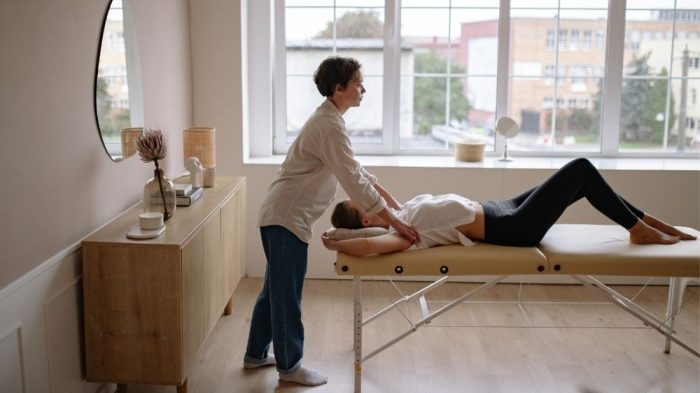
What to expect when you book a Post Surgery Recovery Massage Glasgow
Many people feel a little nervous about being touched near their surgical sites, which is completely understandable. However, a professional session is designed with your vulnerability in mind. The environment is typically calm and clinical yet comfortable, ensuring you feel safe throughout the process. The practitioner will usually begin with a thorough consultation to understand exactly what procedure you had, who your surgeon was, and any specific areas of concern you might have.
During the actual treatment, you won’t feel any painful pressure. In fact, many patients find the process so relaxing that they fall asleep. The techniques involve skin-stretching movements that follow the natural pathways of the lymphatic system. It is a highly specialised skill set that requires a deep understanding of anatomy and the specific ways different surgeries impact the body’s internal structures.
Common surgeries that benefit from recovery massage
- Liposuction (including Vaser and 360 Lipo)
- Tummy Tucks (Abdominoplasty)
- BBL (Brazilian Butt Lift)
- Facelifts and Neck Lifts
- Breast Augmentation or Reduction
- Orthopaedic surgeries such as knee or hip replacements
Why the timing of your first session is so important
A common question is: “How soon can I start?” While every surgeon has their own protocol, many experts recommend starting lymphatic drainage as early as 3 to 5 days after surgery, provided there are no complications like active infections. The earlier you start, the less chance there is for fluid to harden into fibrosis. In the first few weeks, your body is in a state of high inflammation, and this is when the massage provides the most dramatic relief.
As you move further into your recovery—perhaps four to six weeks post-op—the focus of the massage may shift. While the early stages are all about fluid movement, the later stages often involve breaking down any small areas of tension or ensuring that scar tissue remains flexible. This phased approach ensures that your recovery isn’t just fast, but also thorough, leading to the best possible aesthetic and functional outcome.
How to prepare for your recovery sessions
To get the most out of your treatment, there are a few things you can do to help your body along. Hydration is the most important factor. Because the massage is moving fluid into your circulatory system to be processed by your kidneys, staying well-hydrated helps your body flush those toxins out effectively. You should also ensure you are following your surgeon’s advice regarding compression garments, as these work hand-in-hand with the massage to keep swelling down.
- Drink plenty of water: Aim for at least 2 litres a day leading up to and after your appointment.
- Wear comfortable clothing: Choose items that are easy to get in and out of, especially if your mobility is still limited.
- Bring your compression garment: Your therapist may help you get back into your garment properly after the session.
- Be honest about your pain: Always communicate with your therapist if any area feels particularly sensitive.
Choosing to invest in a recovery programme in Glasgow means you are giving your body the best chance to heal correctly. It moves the recovery process from something that is happening ‘to’ you into something you are actively managing. By addressing the physiological needs of your tissues in the weeks following surgery, you can significantly reduce the ‘downtime’ and get back to your normal routine feeling lighter, more mobile, and more confident in your results.

Liam is dedicated to writing clear and concise news pieces, along with helpful guides aimed at simplifying everyday challenges.